
So, you want to become an AWS Certified Solutions Architect Associate. Great choice. Honestly, it is one of the smartest career moves you can make right now.
Cloud computing is not slowing down. Companies are moving everything to the cloud. AWS leads that charge with over 30% of the global cloud market. That means the demand for skilled AWS professionals is only going up.
The good news? You do not need to be a genius to pass this exam. You just need the right plan, the right resources, and a little bit of consistency. Let this guide be your starting point.
What Exactly Is the SAA-C03 Exam?
The SAA-C03 is the current version of the AWS Solutions Architect Associate exam. It replaced the older SAA-C02 and brings a stronger focus on security and real-world architecture scenarios.
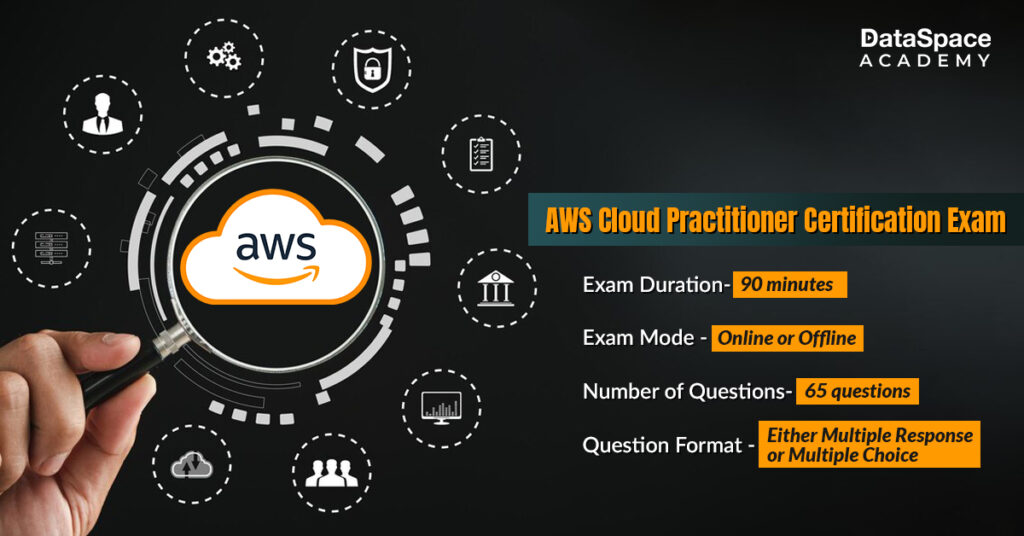
Here is what you are looking at:
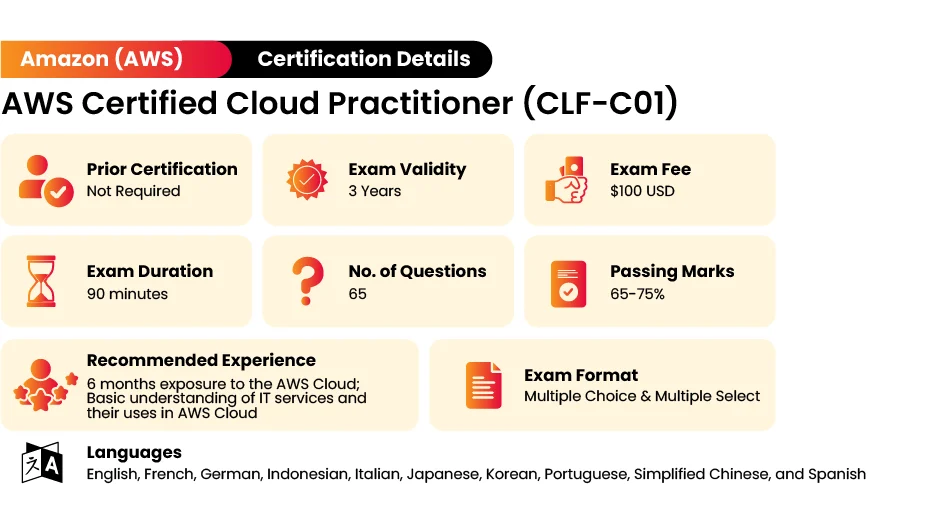
- 65 questions — a mix of multiple choice and multiple response
- 130 minutes to complete the exam
- Passing score of 720 out of 1000
- Cost: $150 USD
The exam does not just test what you know. It tests how you think. Most questions describe a real business scenario. You then pick the best AWS solution. That is what makes this cert genuinely valuable to employers.
You are not memorizing facts. You are learning to think like an architect.
The Topics You Actually Need to Study
The SAA-C03 covers four main domains. Each one carries a different weight. Knowing the weightings helps you study smarter, not harder.
Security gets the biggest slice at 30%. That alone should tell you where to focus first. IAM policies, KMS encryption, VPC security, and AWS Shield are all fair game.
Next up is Resilient Architectures at 26%. This covers Multi-AZ deployments, Auto Scaling, and Elastic Load Balancing. You need to know how to build systems that do not fall apart under pressure.
High-Performing Architectures sits at 24%. Think EC2 instance types, RDS read replicas, ElastiCache, and CloudFront. The exam wants to know you can keep things fast and efficient.
Finally, Cost Optimization rounds out the exam at 20%. Reserved instances, Spot instances, and S3 storage classes are key topics here. AWS loves cost-conscious architects, and so do employers.
A quick tip — do not skip the services that seem boring. S3 storage tiers and EC2 pricing models appear more than you would expect.
Your 8-Week Study Plan (That Actually Works)
Eight weeks is a very realistic timeline for most people. Here is how to break it down without burning out.
Weeks 1 and 2 — Build your foundation. Get comfortable with core AWS services like EC2, S3, VPC, and IAM. AWS Skill Builder has free content to get you started. Udemy courses by Stephane Maarek are also brilliant for beginners.
Weeks 3 and 4 — Go deeper on databases and storage. Learn the differences between RDS, Aurora, and DynamoDB. Understand when to use EBS versus EFS versus S3. These comparisons show up constantly in exam questions.
Weeks 5 and 6 — Focus on security and high availability. Read the AWS Well-Architected Framework whitepaper. It sounds dry, but it is genuinely exam gold. Many questions are built directly around its five pillars.
Weeks 7 and 8 — Practice exams only. Tutorials Dojo by Jon Bonso is your best friend here. Do not just check your score. Read every single explanation, right or wrong. That is where the real learning happens.
One more thing — build something on AWS. Even a simple app using the Free Tier will cement concepts faster than any video course.
Quick Tips Before You Book Your Exam
You are nearly ready. Here are a few final things to keep in mind.
Hands-on beats reading every single time. If you only have two hours to study, spend ninety minutes building on AWS.
Understand the ‘why’ behind every answer. The exam is scenario-based. Knowing that CloudFront exists is not enough. You need to know when and why you would use it.
Book your exam date early. Having a deadline changes everything. It turns vague studying into focused preparation.
You have got this. The AWS Solutions Architect Associate certification is absolutely within reach. Start today, stay consistent, and that pass mark of 720 will feel very achievable.
Want to Take Your Cloud Career Further?
If you are serious about cloud and DevOps, do not stop here. Explore our hands-on DevOps Tools Training and build the real-world skills that employers are looking for.


