

So, you’ve heard the buzz around data engineering and you’re wondering — “Can I actually learn this?” The short answer? Absolutely, yes. Data engineering is one of the most in-demand skills in the tech world right now. And the best part? You don’t need a fancy degree or a genius-level IQ to get started. You just need curiosity, consistency, and a solid roadmap. Let’s walk through it together.
What Exactly Is Data Engineering (And Why Should You Care)?
Before you dive in headfirst, let’s make sure you actually know what you’re signing up for. Data engineering is all about building and maintaining the systems that collect, store, and process data. Think of it as the behind-the-scenes magic that makes data science and analytics possible.
Without data engineers, all those cool dashboards and AI models your company brags about? They’d fall apart. Data engineers are the plumbers of the data world — not the flashiest job at the party, but absolutely essential. Companies everywhere are desperately hiring data engineers, and salaries are seriously impressive. So yes, this is absolutely worth your time.
You might be asking, “But I’m not a programmer. Can I still do this?” Yes, you can. Many successful data engineers started from zero. What matters most is your willingness to learn, adapt, and keep going even when things get confusing. And trust me, things will get confusing — but that’s part of the fun.
Start With the Basics: SQL, Python, and Core Concepts

Every data engineering journey starts at the same place — the fundamentals. And the first thing you need to make friends with is SQL (Structured Query Language). SQL is how you talk to databases. It’s the language you’ll use more than any other in your data engineering career.
Start with free platforms like Mode Analytics, SQLZoo, or Khan Academy. Practice writing queries every single day. It doesn’t have to be for hours — even 20 to 30 minutes of consistent practice builds strong momentum over time.
Next up is Python. Python is the Swiss Army knife of data engineering. You’ll use it to automate tasks, write data pipelines, transform data, and so much more. Don’t try to learn everything at once. Start with the basics — variables, loops, functions, and file handling. Resources like freeCodeCamp, Codecademy, and the official Python documentation are fantastic starting points.
Once you’re comfortable with SQL and Python, start learning about data concepts like:
- Data pipelines — the paths data travels from source to destination
- ETL (Extract, Transform, Load) — a core process in data engineering
- Databases — both relational (like PostgreSQL) and non-relational (like MongoDB)
- Data warehouses — where large volumes of structured data are stored for analysis
Don’t worry about mastering all of this immediately. Think of it as planting seeds — the more you explore, the more naturally things start to connect.
Get Hands-On: Tools Every Data Engineer Actually Uses
Reading about data engineering is great, but actually doing it is where the real learning happens. The data engineering ecosystem is packed with tools, and knowing the right ones will make you incredibly valuable in the job market.
Here are some must-know tools you should start exploring:
Apache Spark — This is a powerful engine used for processing massive amounts of data at incredible speeds. You don’t need to master it on day one, but getting familiar with its basics early gives you a strong edge later.
Apache Kafka — Kafka is used for real-time data streaming. Imagine being able to process millions of data events every single second. That’s what Kafka is built for. It’s used by Netflix, LinkedIn, and Uber, among many others.
dbt (data build tool) — dbt is a modern tool that lets you transform data inside your warehouse using SQL. It’s become incredibly popular in the data engineering world, and learning it early puts you ahead of the curve.
Apache Airflow — Airflow is used to schedule and manage data pipelines. Think of it as a smart calendar that runs your data jobs at exactly the right time, in exactly the right order.
Cloud Platforms (AWS, GCP, or Azure) — Almost all modern data engineering happens in the cloud. Pick one platform and start learning its core data services. AWS has services like S3, Redshift, and Glue. Google Cloud has BigQuery. Azure has Synapse Analytics. You don’t need to know all three — pick one and go deep.
The trick here is not to feel overwhelmed by the number of tools. You don’t need to know everything at once. Start with one, build a small project using it, and then move to the next. Progress, not perfection.
Build Projects, Join Communities, and Never Stop Learning
Here’s a truth that no one tells beginners often enough — projects are your resume. You can study all the theory in the world, but what will actually land you a job in data engineering is the work you’ve built and can show off.
Start small. Build a pipeline that pulls weather data from a public API, stores it in a database, and transforms it using Python or dbt. It sounds simple, but completing that kind of project teaches you more than weeks of tutorials.
As you grow more confident, take on bigger challenges. Try replicating a real-world use case — like building a sales analytics pipeline or a streaming data system. Post your work on GitHub. Write about what you built on LinkedIn or a personal blog. You’ll be surprised at how many doors open just from showing your work.
Alongside your projects, plug yourself into the data engineering community. Communities like the DataTalks.Club, the r/dataengineering subreddit, and various Slack or Discord groups are full of people who were once exactly where you are. They share resources, answer questions, and sometimes even share job opportunities.
Also, consider following content creators and educators who specialize in data engineering. People like Zach Wilson, Andreas Kretz, and Seattle Data Guy consistently share free, high-quality content that keeps you updated on industry trends.
Never underestimate the power of free resources too. Platforms like Coursera, DataCamp, YouTube, and even Medium have incredible content on data engineering at little to no cost. You truly don’t need to spend thousands to break into this field.
Be Patient With Yourself — The Journey Is Worth It
Learning data engineering from scratch is not always going to feel smooth. Some days you’ll feel like a genius. Other days, you’ll stare at an error message for two hours and want to throw your laptop out the window. That’s completely normal. Every data engineer you admire today has been in that exact same spot.
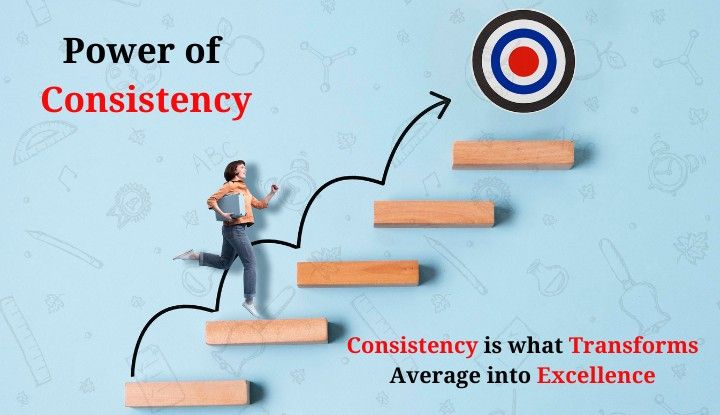
The key is consistency over intensity. You don’t need to study for eight hours a day. Showing up for 45 minutes every day, five days a week, will take you further than burning yourself out in marathon sessions. Make it a habit, not a chore.
Set small, achievable goals. This week, write five SQL queries. Next week, build a Python script that reads a CSV file. The week after, set up a free cloud account and store some data. Stack these small wins, and before you know it, you’ll look back and realize you’ve come an incredibly long way.
Data engineering is a field that rewards the curious, the persistent, and the builders. You don’t need to be perfect — you just need to start. So take that first step today, and trust the process join Us at digital cloud academy Your future self in data engineering will thank you.


